Varanasi (Banaras) trip from Delhi NCR: a student guide to the ghats
More time · from Delhi NCR · checked 4 October 2026
Varanasi, also called Banaras or Kashi, is one of the oldest continuously inhabited cities in the world and the most sacred city in Hinduism. The experience is on the river, so this guide is built around the ghats.
Banaras (Varanasi) at a glance
- Where
- Varanasi, Uttar Pradesh
- Good for
- Ghats, boat rides, evening aarti, Sarnath, learning about the city's history
- Time to allow
- Three days is comfortable; the city is far from Delhi NCR
- Getting there from Delhi NCR
- A long rail or air journey; check live options and plan for the return
- Check before you go
- Aarti times, boat safety and local etiquette
Planning notes are editorial. Facts are from the sources listed below.
What to see in Banaras (Varanasi)
Wikivoyage notes that Varanasi is not a city with distinct tourist destinations – the experience is the river.
The ghats
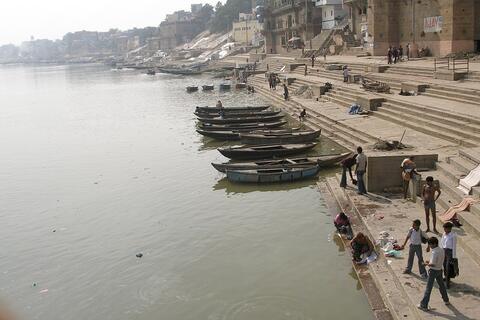
The official Varanasi tourism page says the city has 88 ghats. Walk part of the riverfront rather than trying to see them all.
Source: Varanasi district
Dashashwamedh Ghat
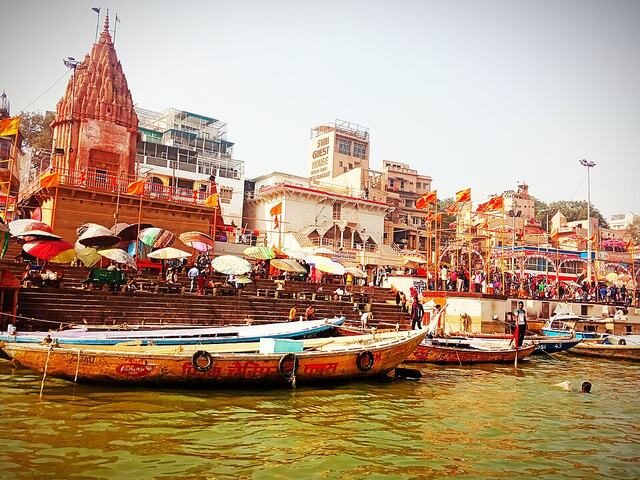
Described by Wikivoyage as the main ghat, with a large evening aarti that starts right after sunset and lasts around 45 minutes.
Source: Wikivoyage
Assi Ghat
Wikivoyage says the morning aarti, known as Subah-e-Banaras, is held here.
Source: Wikivoyage
Manikarnika Ghat
The main cremation ghat. Wikivoyage asks visitors to remain quiet and avoid photography, and warns of scams here.
Source: Wikivoyage
Boat rides
Very popular at sunrise and sunset per Wikivoyage. Agree the price and route before boarding.
Source: Wikivoyage
Sarnath
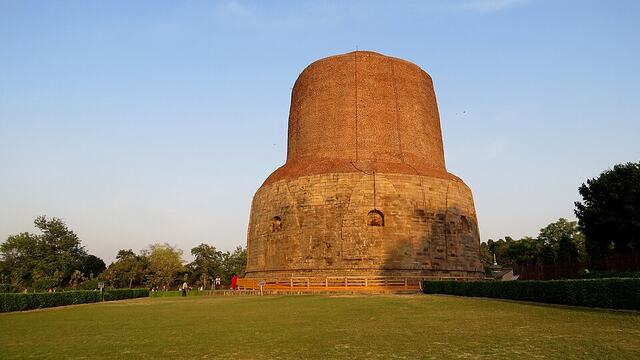
The place nearby linked to the Buddha, with the Dhamek Stupa. The official tourism page lists Sarnath among local places.
Source: Varanasi district, Wikivoyage
Kashi Vishwanath
The major Shiva temple, listed on the official tourism page.
Source: Varanasi district
Man Mandir Jantar Mantar
An observatory on a ghat terrace, listed by Wikivoyage.
Source: Wikivoyage
Food
This guide has no verified food list. Wikivoyage mentions the area around Assi Ghat for cafes and guesthouses. Use recent reviews and ask the price first.
When to go
Wikivoyage names Diwali (October-November) as spectacular, with Dev Deepavali lighting the ghats with oil lamps. Check the weather for your dates.
Getting there from Delhi NCR
Varanasi is a long trip from Delhi NCR. This guide does not quote timetables or fares; compare overnight rail and flights for your dates.
Local etiquette
- Keep voices low near cremation ghats and do not photograph the cremations.
- Dress modestly at temples and on the ghats.
- Ask before taking photos of people at prayer.
Watch-outs
- Wikivoyage warns of scams around Manikarnika Ghat. Decline unsolicited guides there.
- Boat rides: confirm the price first and wear a life jacket if offered.
- The lanes are narrow and crowded; keep bags in front.
A sample outline
An editorial outline, not a booked tour or a verified timetable. Change it to match your own transport.
- Day 1. Evening: Dashashwamedh Ghat aarti. A quiet dinner.
- Day 2. Sunrise boat or walk, then Sarnath in the afternoon.
- Day 3. Temples and lanes, then leave with a buffer.
What to put in your budget
This guide gives no prices. Check live quotes and write the date next to each one.
- Long return transport (rail or air)
- Stay for two or three nights
- Food and water
- Boat rides and local rickshaw
- Entry fees at Sarnath and museums
- A reserve for delays
Sources
Facts marked Wikivoyage are summarised from Wikivoyage, available under CC BY-SA 4.0. Prices and timings there are dated, so this guide does not repeat them as current. Last checked 4 October 2026.
Photo credits
- The ghats: Vyacheslav Argenberg · CC BY 4.0 · resized and cropped
- Boats at Dashashwamedh: Sulagna Halder · CC BY-SA 4.0 · resized and cropped
- Dhamek Stupa, Sarnath: Preeti Prajapati · CC BY-SA 4.0 · resized and cropped


